Tree removal services play an essential role in maintaining safe, functional, and visually appealing outdoor environments. While trees are valuable assets to any property for their shade, beauty, and environmental benefits, there are situations in which removal becomes necessary. Diseased, damaged, or dangerously positioned trees can pose serious risks to structures, people, and surrounding landscapes if not properly managed.
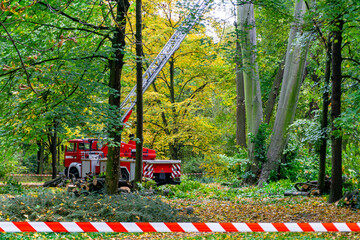
Professional tree removal services are designed to handle these situations safely and efficiently. Removing a tree is not a simple task—it requires technical skill, specialized equipment, and a deep understanding of tree structure and environmental safety. Whether dealing with storm-damaged trees, overgrown roots, or trees interfering with construction projects, trained specialists ensure the process is carried out with minimal risk and disruption.
Why Tree Removal Services Are Important for Property Safety
Tree removal is often necessary for safety reasons. Trees that are weak, diseased, or structurally compromised can become hazardous, especially during strong winds or storms. Falling branches or collapsing trunks can cause significant damage to homes, vehicles, utility lines, and surrounding landscapes.
In addition to immediate hazards, unstable trees can also create long-term risks. Root systems may damage foundations, sidewalks, or underground utilities, while overgrown branches can interfere with power lines or roof structures. Removing problematic trees helps prevent costly repairs and reduces the risk of accidents.
Tree removal also improves overall property management. It allows space for new landscaping, construction projects, or healthier vegetation growth. In many cases, removing one unsafe tree can improve sunlight exposure and air circulation for the surrounding environment.
Common Reasons for Tree Removal
There are several reasons why tree removal services may be required. While some trees are removed for safety concerns, others are removed for aesthetic or developmental purposes. Understanding these reasons helps property owners make informed decisions about tree maintenance and land use.
Common reasons for tree removal include:
- Disease or pest infestation that cannot be treated
- Structural instability or risk of falling
- Storm or weather-related damage
- Interference with buildings, roads, or utilities
- Overcrowding of trees affecting growth conditions
- Dead or decaying trees posing safety risks
- Land clearing for construction or landscaping projects
Each situation requires careful assessment to determine whether removal is the best solution or if alternative treatments such as pruning or bracing may be more appropriate.
The Tree Removal Process Explained
Tree removal is a highly technical process that involves careful planning, safety precautions, and specialized equipment. Professional arborists assess the condition of the tree, surrounding environment, and potential risks before beginning any work.
The process typically starts with a detailed inspection to evaluate tree health, height, lean direction, and proximity to structures. This assessment helps determine the safest removal strategy. Depending on the situation, trees may be removed in sections or cut down entirely in one controlled operation.
A standard tree removal process may include:
- Initial site inspection and risk assessment
- Preparation of safety zones around the tree
- Branch removal using climbing or aerial equipment
- Sectional cutting of the trunk if necessary
- Controlled lowering of tree sections
- Stump cutting or grinding after removal
- Cleanup and disposal of debris
This structured approach ensures safety for both workers and surrounding property while minimizing environmental disruption.
Safety Considerations in Tree Removal
Safety is the most important factor in any tree removal operation. Trees can be unpredictable, especially when they are weakened or damaged. Improper removal can lead to falling branches, property damage, or serious injury.
Professional tree removal teams use protective gear, ropes, cranes, and rigging systems to control every stage of the process. They also evaluate environmental conditions such as wind speed, soil stability, and nearby obstacles before proceeding with removal.
Key safety practices in tree removal include:
- Establishing secure work zones and barriers
- Using harnesses and climbing safety equipment
- Employing controlled cutting techniques
- Monitoring weather conditions before and during work
- Coordinating ground crew communication during removal
These safety measures are essential for preventing accidents and ensuring that the removal process is completed without incident.
Stump Removal and Grinding Services
After a tree is removed, the remaining stump can still cause issues if left untreated. Tree stumps may become tripping hazards, attract pests, or interfere with future landscaping projects. As a result, stump removal or grinding is often included as part of professional tree removal services.
Stump grinding involves using specialized machinery to break down the stump below ground level, allowing the area to be covered with soil or replanted. Full stump removal, on the other hand, involves extracting the entire root system, which may be necessary for construction or major landscaping changes.
Benefits of stump removal include:
- Improved landscape appearance and usability
- Prevention of pest infestations such as termites or ants
- Elimination of tripping hazards in outdoor spaces
- Easier lawn maintenance and mowing
- Preparation for new planting or construction projects
Proper stump management ensures that the area is fully restored and ready for future use.
Environmental Considerations in Tree Removal
While tree removal is sometimes necessary, it must be approached with environmental awareness. Trees play a vital role in maintaining air quality, providing shade, and supporting local ecosystems. Responsible tree removal services consider these factors before proceeding with any work.
In some cases, trees may be replaced with new plantings to maintain ecological balance. Replanting helps restore environmental benefits while supporting long-term landscape sustainability. Additionally, removed trees can sometimes be repurposed into mulch, firewood, or lumber, reducing waste.
Environmentally responsible tree removal practices include:
- Evaluating alternatives before removal
- Preserving healthy surrounding vegetation
- Recycling or repurposing tree materials
- Replanting trees when appropriate
- Minimizing soil and habitat disruption
Sustainable practices ensure that tree removal does not negatively impact the broader environment.
When to Call Professional Tree Removal Services
Tree removal is not a task that should be handled without proper training and equipment. Attempting to remove a tree without expertise can lead to serious safety risks and property damage. Professional services are essential for handling large, unstable, or difficult-to-access trees.
Property owners should consider contacting professionals when trees show signs of severe damage, pose immediate risks, or interfere with infrastructure. Early intervention can prevent emergencies and reduce overall costs associated with damage or accidents.
Situations that require professional assistance include:
- Trees leaning dangerously toward structures
- Large dead or decaying trees
- Storm-damaged trees with broken limbs
- Trees affecting power lines or utilities
- Root systems damaging foundations or pavement
Professional evaluation ensures that the safest and most effective solution is implemented.
Choosing Reliable Tree Removal Services
Selecting a qualified tree removal service is important for ensuring safe and efficient results. Experienced professionals understand how to handle different tree species, structural challenges, and environmental conditions.
Reliable service providers typically offer detailed assessments, clear communication, and proper safety protocols. They also use modern equipment and follow industry standards to ensure high-quality results.
Key factors to consider when choosing tree removal services include:
- Experience and training in arboriculture
- Use of proper safety equipment and techniques
- Transparent service process and evaluation
- Ability to handle emergency tree removal situations
- Focus on environmental responsibility
Working with skilled professionals ensures that tree removal is completed safely, efficiently, and with minimal disruption.
Final Thoughts on Tree Removal Services
Tree removal services are an essential part of responsible property maintenance and landscape management. While trees provide many benefits, there are situations where removal is necessary to ensure safety, protect property, and support future development.
Professional tree removal ensures that the process is handled with precision, safety, and environmental awareness. From initial assessment to stump removal and site cleanup, every step plays a role in maintaining a secure and well-managed outdoor environment.
By relying on experienced specialists and following responsible practices, property owners can safely address hazardous trees while preserving the long-term health and functionality of their landscapes.