Trees are beautiful, provide shade, and contribute to a healthy environment. However, there are times when tree removal becomes necessary for safety, property maintenance, or landscape improvement. Whether it’s a tree that’s dead, diseased, or posing a hazard, professional tree removal services ensure the job is done efficiently and safely. Understanding the process, benefits, and considerations of tree removal can help homeowners make informed decisions while protecting their property.
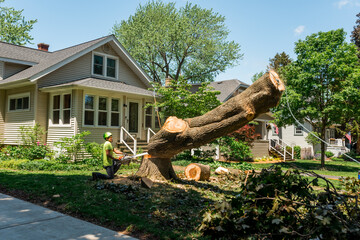
Why Tree Removal May Be Necessary
Tree removal is not always a matter of preference—it’s often a safety or health issue. Some of the most common reasons for removing a tree include:
- Disease or Decay – Trees affected by disease or rot can become unstable and dangerous. Removing them prevents damage to nearby structures or other plants.
- Storm Damage – Severe weather can damage trees, causing broken branches, leaning trunks, or root instability. In these cases, removal is often the safest option.
- Obstructed Growth – Trees growing too close to homes, fences, or utility lines may need removal to prevent interference and reduce risks.
- Landscape Redesign – Sometimes, tree removal is necessary to create more space, improve sunlight exposure, or achieve a desired aesthetic in a yard.
- Safety Hazards – Trees that are leaning, have cracked trunks, or overhang structures can pose a significant threat to people and property.
Assessing the condition of a tree is crucial before deciding to remove it. Signs like large cracks, fungal growth, and dead branches indicate that professional evaluation may be necessary.
The Benefits of Professional Tree Removal
While some homeowners may consider DIY removal for small trees, large or hazardous trees require expertise and specialized equipment. Professional tree removal services offer several key benefits:
- Safety – Experienced professionals have the training and tools to handle trees that could be dangerous if removed improperly.
- Efficiency – Professionals can remove trees quickly and safely, minimizing disruption to your property.
- Proper Disposal – Tree debris, including large branches and trunks, can be cumbersome. Tree removal services handle disposal, ensuring the site is clean and safe.
- Damage Prevention – Improper removal can damage property or landscaping. Professionals plan the removal carefully to protect the surrounding areas.
By relying on experts, homeowners reduce risk and ensure the job is completed effectively.
The Tree Removal Process
Understanding the tree removal process helps homeowners know what to expect. Professional services typically follow several key steps:
- Assessment – The team evaluates the tree’s health, size, location, and potential risks. This step determines the best approach for removal.
- Planning – Technicians plan the safest way to remove the tree, considering obstacles, property layout, and nearby structures.
- Preparation – The area around the tree is cleared of obstacles, and protective measures are put in place for safety.
- Removal – Using specialized equipment, the tree is carefully cut down, often in sections for larger trees.
- Stump Removal – Depending on your preference, the stump may be ground down or removed entirely.
- Cleanup – Debris is cleared, leaving the property safe and tidy.
This structured approach ensures the process is safe, efficient, and minimally disruptive.
Safety Considerations
Tree removal can be hazardous without the right training and tools. Professionals are equipped with safety gear, ropes, chainsaws, and sometimes cranes to handle difficult or large trees. Homeowners should avoid attempting the removal of trees that are near buildings, power lines, or uneven terrain.
Safety also extends to the property. Professionals minimize the risk of damage to fences, landscaping, vehicles, or homes. Planning the removal carefully ensures everyone on-site remains protected during the process.
Stump Removal and Property Restoration
After a tree is removed, the stump can be an eyesore or a barrier to landscaping projects. Many tree removal services offer stump grinding or full removal, which can improve the appearance of your yard and make future maintenance easier.
Restoring the area after tree removal may involve filling in holes, planting new grass, or incorporating landscaping features. Professional services often provide guidance on property restoration to ensure your yard remains attractive and functional.
Cost Factors for Tree Removal
The cost of tree removal depends on several factors, including:
- Tree Size and Height – Larger trees require more equipment, time, and labor to remove safely.
- Location – Trees near structures, fences, or power lines require careful planning, which can increase the cost.
- Condition of the Tree – Diseased, dead, or unstable trees present additional challenges.
- Stump Removal – Grinding or removing the stump adds to the overall cost.
- Accessibility – Difficult-to-reach trees may require specialized equipment or techniques.
Understanding these factors helps homeowners budget appropriately and avoid surprises. Many professionals provide free estimates based on a property assessment.
Environmental Considerations
Tree removal is sometimes necessary, but it’s also important to consider environmental impacts. When removing trees, professionals may offer advice on replanting or replacing the tree elsewhere. Using removed wood responsibly, such as for mulch or firewood, can also minimize waste.
Maintaining a balance between property safety and environmental responsibility ensures that tree removal benefits both homeowners and the surrounding ecosystem.
Tree removal is a necessary service that combines safety, skill, and precision. Whether addressing a hazardous tree, disease, storm damage, or a landscaping project, professional tree removal services ensure the process is handled efficiently and safely. By understanding the reasons for removal, the benefits of hiring experts, and the steps involved in the process, homeowners can make informed decisions while protecting their property. Proper planning, professional expertise, and responsible cleanup create a safe, healthy, and aesthetically pleasing outdoor space.